
A buyer in Batumi usually compares two routes: buy from a developer during construction and pay in stages, or choose a completed apartment that can be inspected before the deal and used soon afterwards. The difference is not just the price. The timing of the payments, the total cost and the risks are equally important.
In June 2026, completed apartments still owned by developers and sold on Batumi’s primary market averaged $1,960 per square metre. Completed apartments in newer buildings that were already owned and offered for resale by private sellers averaged $1,497 per square metre. These broad averages do not prove that one route is always better value. They show why price per square metre cannot settle the decision on its own.
Compare the two routes at the same point in time and in the same usable condition. How much will each apartment have cost by then? How many months of income has the ready apartment already produced? What risks will the owner still carry?
01 · Define what you are comparing
The owner determines the market category.
The primary market includes every apartment still owned and sold by the developer, whether the building is under construction or already complete. The secondary market consists of completed apartments owned and resold by private sellers. A completed unit in a new building can therefore belong to either market; the owner, not the age of the building, determines the category.
The main comparison here is between an apartment under construction and one that is already complete. An off-plan unit cannot yet be fully inspected or occupied. A ready apartment can be checked before purchase. Its level of finish is a separate issue: a white-frame apartment in a completed building is not yet ready to live in or rent out.
02 · Compare the total cost
The first payment is not the price.
An off-plan apartment may look affordable because the first payment is small, but that payment is only the start. The calculation must include every instalment, any final lump sum, bank and foreign-exchange costs, fit-out, furniture and the months without income.
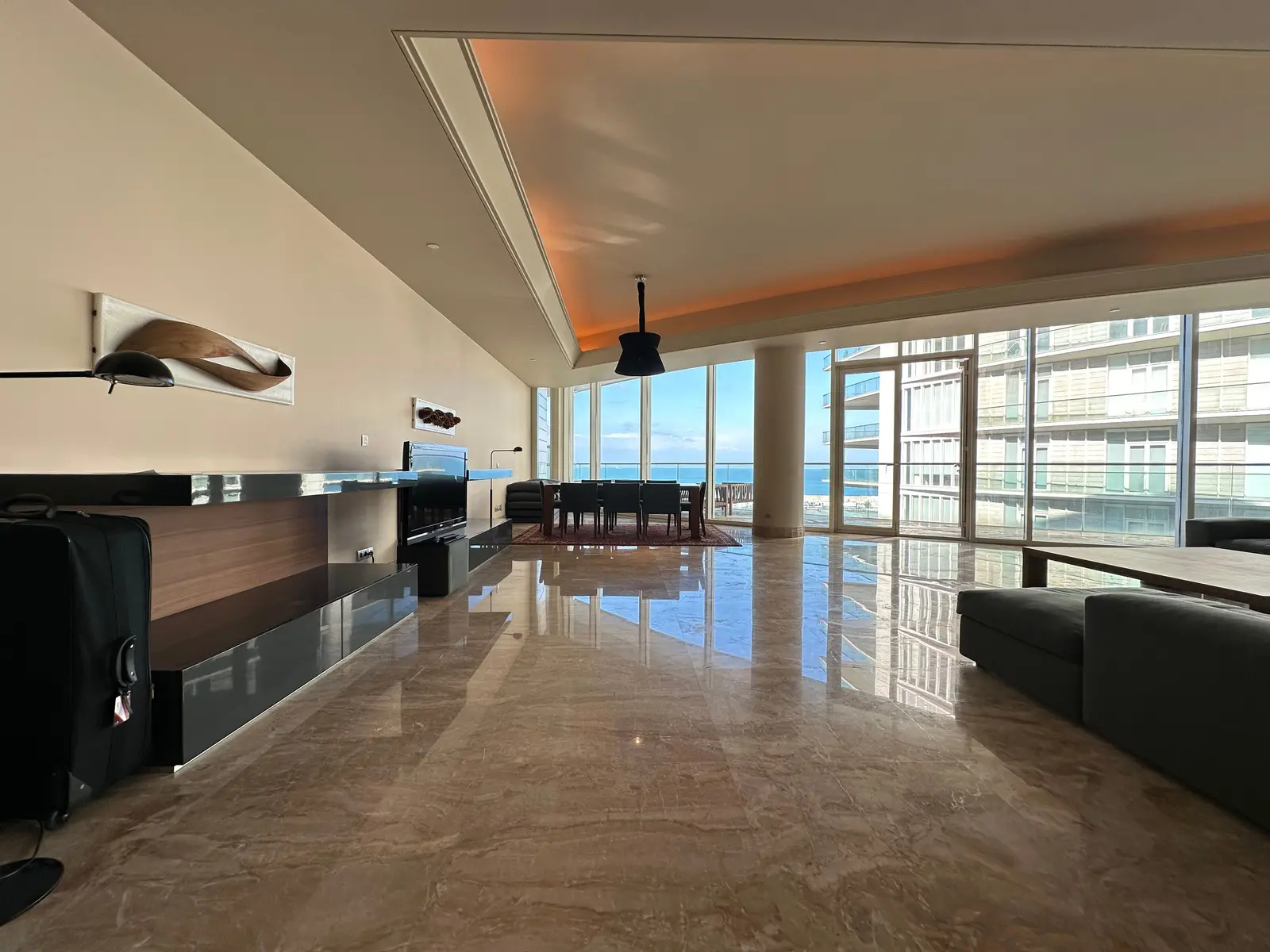
A ready apartment often requires more cash at closing, but the buyer can see the work that remains. Furniture and equipment may already be included. Where the unit is delivered in white frame, only the building is ready. In BUC’s 45 m² worked example, taking a white-frame unit to a rent-ready condition started at approximately $13,700, while a more complete standard package was about $22,300. These figures are guides, not a Batumi-wide tariff.
A price is genuinely attractive only after the waiting period, preparation costs and risks have been included.
03 · What an instalment plan really changes
It lowers the upfront payment, not necessarily the price.
Buying during construction allows the price to be paid in stages. That lowers the amount needed upfront and may avoid the need for a bank loan. However, an interest-free instalment plan is not automatically a better deal. Compare the price for full payment with the instalment price, check the currency of each payment and note any final lump sum.
A ready apartment usually requires more cash at once, but it can be occupied or rented sooner. Two or three years of net rent may offset part of the off-plan price advantage. An owner-occupier may also avoid paying rent elsewhere while waiting for construction to finish.
For a fair comparison, choose one date and calculate how much each route will have cost by then. Include the purchase price, transaction costs, preparation, ownership and financing, then subtract any net income already received. Keep possible price growth outside the base case: the purchase should not depend on the market rising.
Instalments reduce the amount required upfront. A ready apartment allows the buyer to move in or start renting it out sooner.
04 · Risk and review
The risks are different, but they do not disappear.
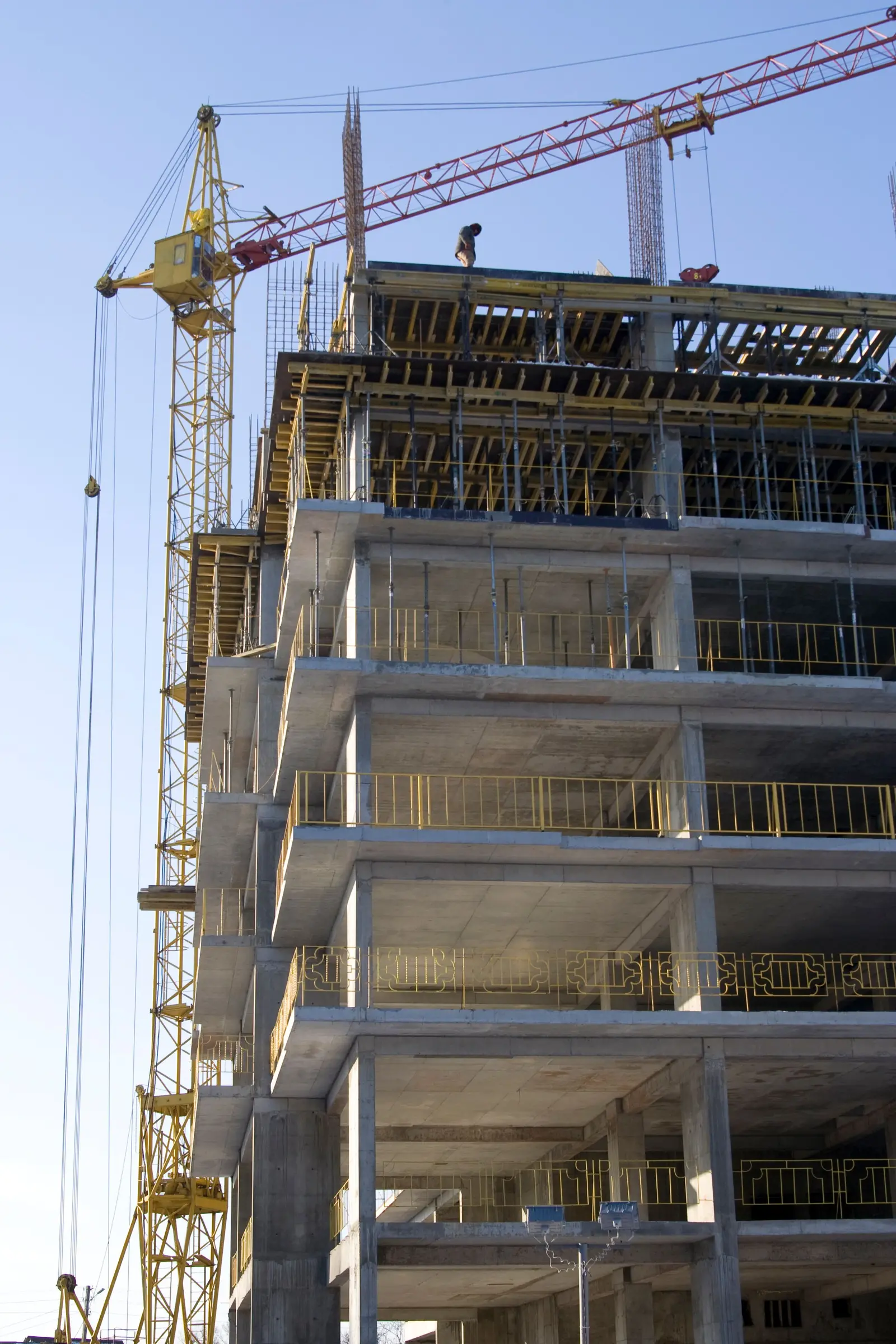
With an off-plan purchase, the main question is whether the buyer will receive the apartment on time and as promised. The answer depends on permits, funding, construction progress, contractor quality and the seller’s ability to perform the agreement. Review the land, permit, contractual party, specification, completion terms, delay remedies and registration process.
A completed apartment removes some of those unknowns. The building exists; the view and common areas are visible. Other questions become more important: does the physical layout match the registry, has the building been commissioned, is the title subject to a mortgage or seizure, are service and utility accounts clear, and does fresh decoration conceal moisture or engineering defects?
A ready apartment can still carry serious risks. They are more likely to be found in the current documents, the physical condition and the way the building operates, rather than in promises about the future.
05 · Timing for investors
When can the apartment begin earning income?
An off-plan purchase may gain value between the early sales stage and completion. That requires a genuine discount to comparable ready apartments, acceptable delivery of the project and continued demand for the specific unit. Construction alone does not guarantee a profit.
With a ready apartment, the buyer can immediately check achieved rent, occupancy, expenses and management performance. Batumi’s market rental-yield indicator was 7.1% in June 2026, but that figure is calculated before an individual owner’s expenses. Management, vacancy, service charges, utilities, repairs and tax reduce the net return.
For a five-year comparison, calculate net rental income separately from the amount left after a future sale, including commission, tax and the time needed to find a buyer. For off-plan, include the period with no rental income; for a ready apartment, remember that the capital is committed earlier. Both cases should still work with lower rent and no assumed price growth.
An apartment bought during construction can earn income only after completion and handover. A ready apartment can begin earning after purchase and any necessary preparation.
06 · Buyer objective
Start with the reason for buying.
The table is a starting point, not a verdict. A poor ready apartment does not become a good purchase simply because it is available tomorrow. Equally, an off-plan project with clear documents, a strong unit and a meaningful price advantage may be better value than an overpriced completed alternative.
07 · The individual apartment
The project concept cannot rescue a weak unit.
Off-plan buyers can be won over by the project concept and overlook weaknesses in the specific unit. On the secondary market, attractive interiors can distract from a poor layout, high running costs or weak demand. In both cases, the apartment itself must remain the focus.
View and neighbouring development
For an off-plan unit, check what could still be built in front of it; a ready apartment reveals the actual outlook and noise level.
Layout
Room width, storage, space for a full-size bed and a practical kitchen matter more than the quoted floor area.
Floor and lifts
A high floor adds value only if the building has enough reliable lifts.
Competition
Hundreds of similar studios in one development make both renting and resale harder.
Running costs
Service charges, management fees and future capital works affect the owner’s net return.
Future buyer
Ask who is likely to want this apartment in three to five years.
08 · Before deciding
Collect the evidence before you compare.
For an off-plan apartment
- A current land extract, cadastral plan and restriction data.
- The permit, approved plans and documents for the relevant phase.
- The legal link between the landowner, permit holder and seller.
- The agreement, unit specification, payment schedule and delay remedies.
- Assignment, reservation refund, final payment and title-registration terms.
For a ready apartment
- A current extract for the individual unit, the seller’s title basis and restrictions.
- Commissioning records, registered area and evidence that alterations are lawful.
- A physical inspection of the apartment, systems, façade and common areas.
- Confirmation that service, utility and management accounts are clear.
- Actual rental and expense records where the property is sold as an investment.
Georgia’s National Agency of Public Registry publishes the timing and fees for title registration and extracts. Registration is inexpensive, but the low fee does not replace due diligence. What the record says matters more than what it costs to obtain.
The BUC view
The better option depends on the numbers and the buyer’s objective.
If two apartments have the same asking price, the ready property will usually make the stronger case: it can be inspected, its documents can be checked and it can be used sooner. The same asking price, however, does not mean that the two purchases will have the same total cost.
Off-plan can make sense when a lower all-in cost, a well-chosen apartment and a useful payment schedule compensate for the wait and construction risk. A ready apartment may cost more, but its condition can be assessed immediately and it can be occupied or rented sooner.
BUC compares both routes on the same basis: total cost, payment schedule, time to use, legal and physical risk, net rental income and the liquidity of the individual apartment. The better option depends on the numbers and the buyer’s objective, not the brand name.
An off-plan purchase should offer a clear benefit in return for the wait and construction risk. A ready apartment should save time and reduce uncertainty.
General information only. This article does not replace legal, tax or investment advice for a specific transaction.